
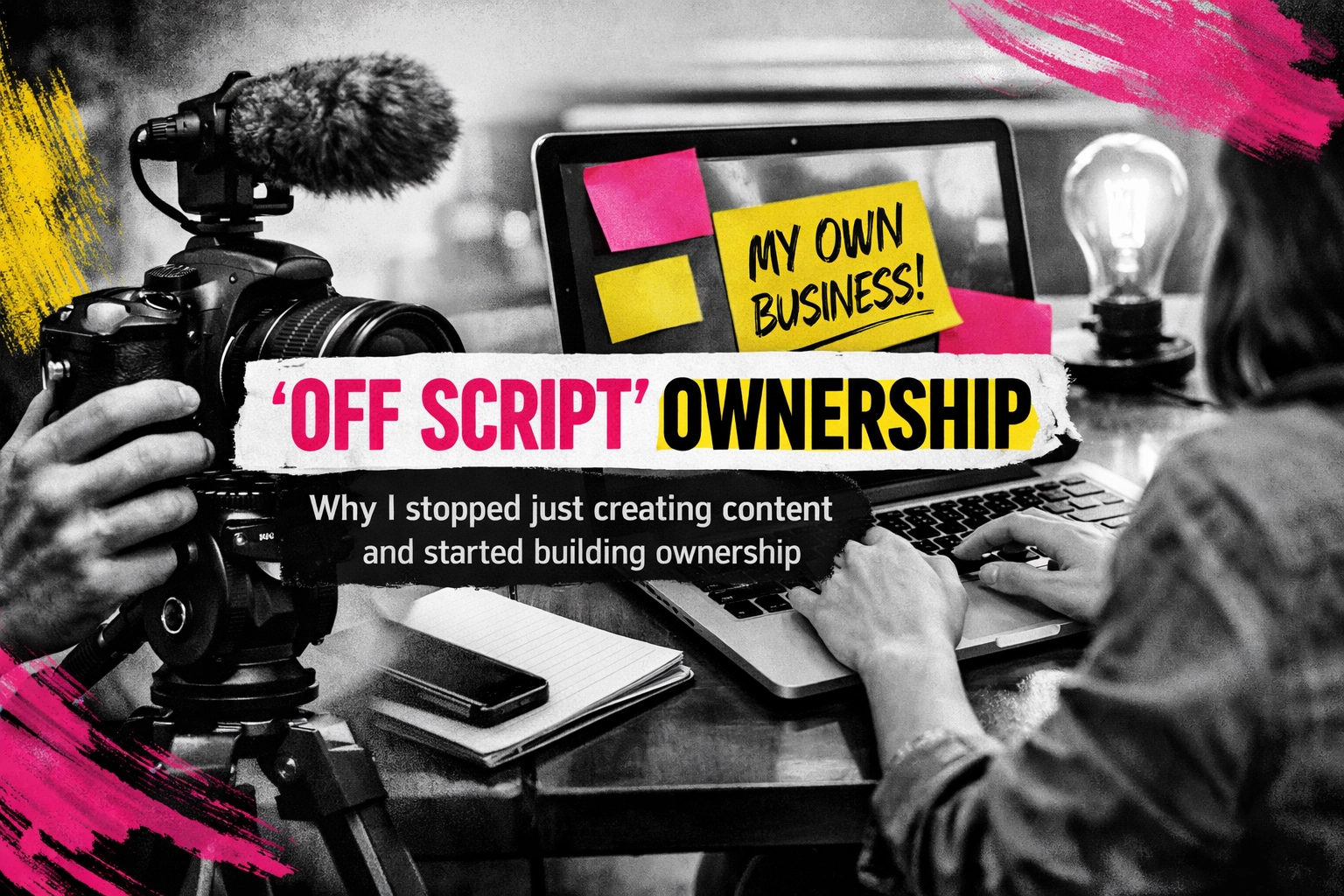

Here’s the thing nobody tells you when you’re grinding to “make it.”
You can be the best player in the stadium.
Score every goal.
Break every record.
And still…
You don’t own the stadium.
The Player vs. The Owner
I spent years perfecting my craft as a storyteller.
Writing. Creating. Pitching.
Getting better. Getting noticed.
Chasing that mythical “seat at the table.”
And I got there.
Multiple times, actually.
But here’s what I learned sitting at those tables…
The table doesn’t belong to you.

Even when you’re the most talented person in the room.
Even when your work is carrying the project.
Even when everyone agrees you’re “essential.”
You’re still just…
A guest.
The platform keeps the revenue.
The network owns the IP.
The studio controls the narrative.
You get paid.
Sometimes really well.
But you don’t own anything.
The Representation Trap
We celebrate representation.
And we should.
Seeing ourselves reflected matters.
But representation without ownership?
That’s just better-looking exploitation.
You can have diverse faces on screen…
While the same old power structures control everything behind it.
You can be “in the room”…
While someone else owns the building.
Think about it.
How many groundbreaking Black creators have you seen…
Build entire waves of culture…
Only to watch other people monetize it?
How many women have architected viral movements…
Then got replaced once the “experimental phase” proved profitable?
Representation gets you visibility.
Ownership gets you equity.
There’s a difference.
My Pivot Story
I didn’t wake up one day and suddenly “get it.”
It was gradual.
Project after project where I’d create something brilliant…
Watch it succeed…
Then realize I had zero control over what happened next.
No equity.
No decision-making power.
Just a credit and a check.
Don’t get me wrong, the checks were nice.
But I kept thinking…
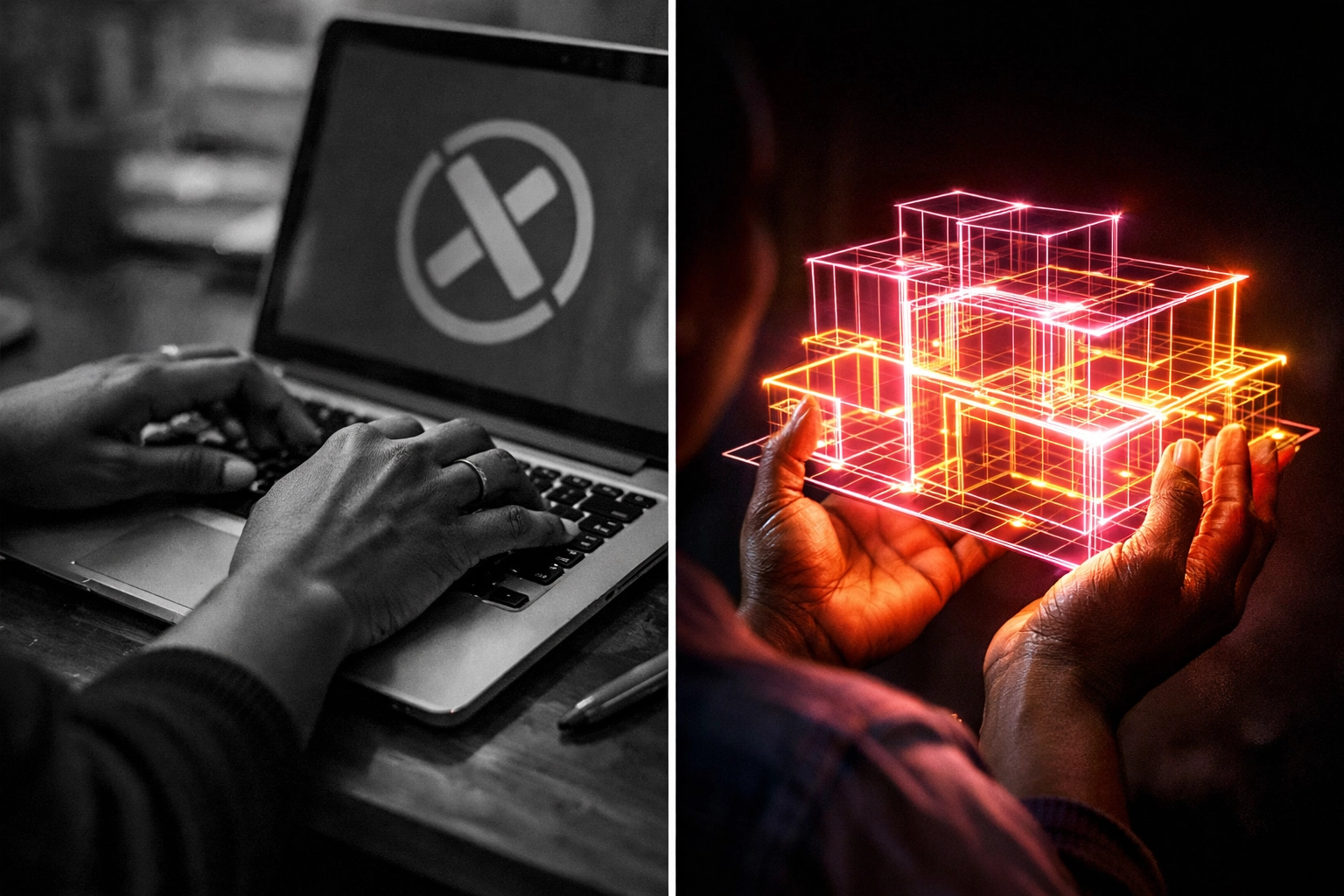
“What if I built the infrastructure instead of just performing in it?”
What if instead of being the best storyteller on someone else’s platform…
I became the person who built the platform?
That’s when everything shifted.
That’s when Siingle was born.
Not as a “side project.”
Not as a “passion play.”
But as a deliberate move from labor to capital.
From player to owner.
What Ownership Actually Looks Like
Ownership isn’t about rejecting collaboration.
It’s not about doing everything solo.
It’s about controlling your infrastructure.
Here’s the difference:
Content Creator mindset:
- Pitch to gatekeepers
- Wait for approval
- Create on their timeline
- Hope for fair compensation
- Move on when they move on
Asset Owner mindset:
- Build your own platform
- Set your own terms
- Create on your schedule
- Control the monetization
- Scale at your pace
See it?
One is a job.
The other is a business.

Of Music & Men: a unique founder story
Of Music and Men is what happens when you stop performing for the algorithm and start building for the long game.
For years, I created content—smart, strategic, high-performing content. It fed platforms. It built audiences. It kept me visible. But it didn’t build ownership.
Of Music and Men does two things: it accomplishes the entrepreneurial shift I call Off Script Ownership.
And it’s also a story ABOUT off-script ownership.
It isn’t made to trend. It’s built to last. It’s IP. It’s equity.
It’s something that can be licensed, financed, distributed, and scaled.
Content expires.
Ownership compounds.
When you create something you control—your rights, your narrative, your upside—you stop chasing attention and start accumulating leverage.
That’s the difference.
I didn’t stop creating.
I just stopped creating for rent.
The Labor vs. Capital Shift
This is where it gets uncomfortable.
Because we’ve been trained to think of ourselves as “creatives.”
As “artists.”
As people who make things.
But in the current system…
Making things = labor.
And labor gets paid once.
Capital, the infrastructure, the platform, the IP rights, that’s what compounds.
That’s what builds generational wealth.
That’s what gives you options.
I’m still a storyteller.
Still a writer.
Still deeply creative.
But now?
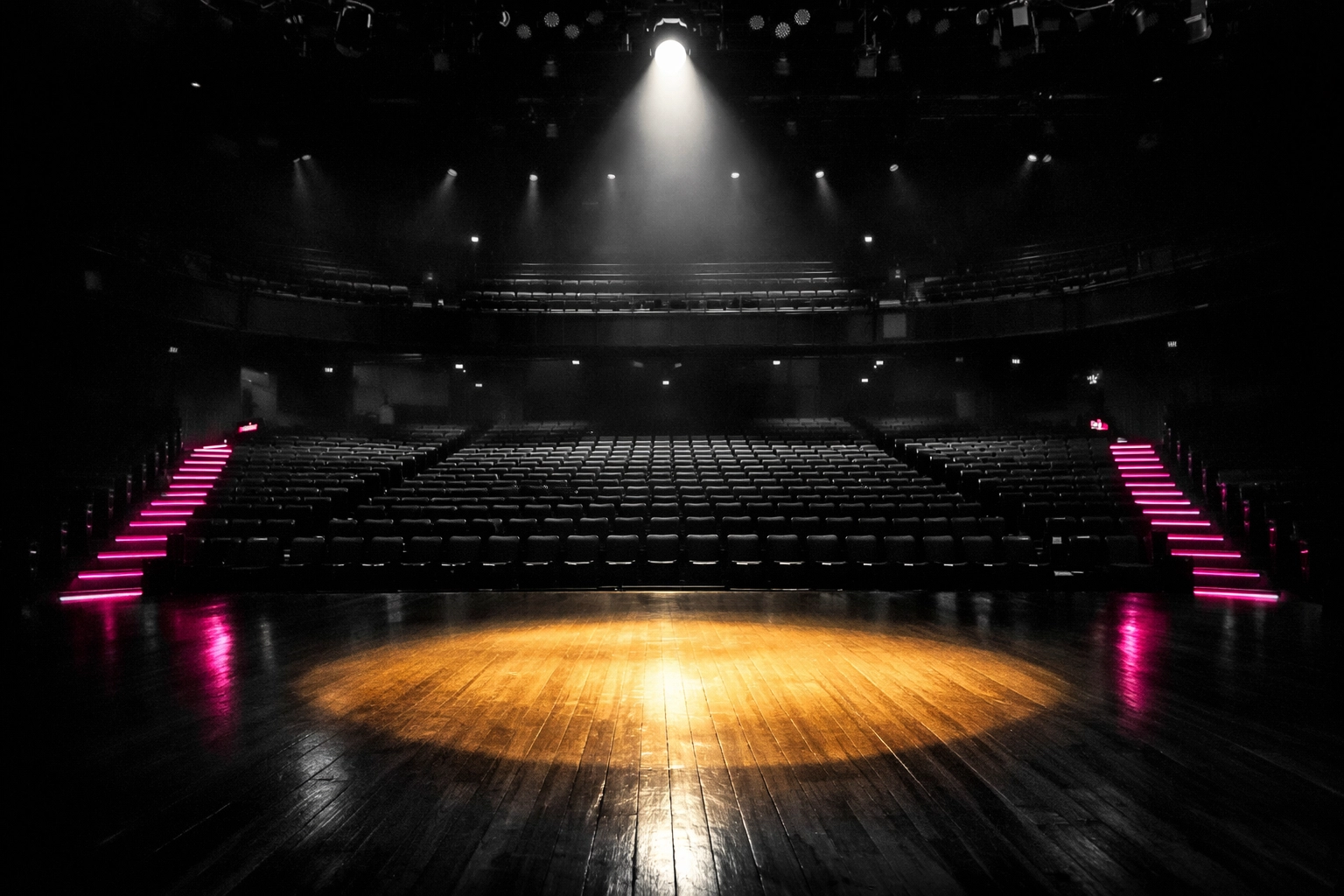
I’m building the stadium.
And yeah, I’m playing in it too.
But I own it.
That changes everything.
The Uncomfortable Truth
The entertainment industry: hell, most creative industries: run on this model:
Convince talented people that “exposure” and “opportunity” are compensation.
Keep them focused on the craft.
Keep them competing for seats at tables they’ll never own.
Pay them just enough to keep them creating.
But never enough to become owners themselves.
It’s not a conspiracy.
It’s just… the system.
And you can be mad about it.
Or you can build different infrastructure.
What This Means For You
If you’re reading this…
You’re probably in one of two places:
Either you’re grinding as a player, creating brilliant work in someone else’s ecosystem, wondering when you’ll finally “make it.”
Or you’re already thinking about the pivot, sensing that there’s got to be a different way to build a sustainable creative career.
Here’s what I want you to sit with:
Your talent isn’t the question.
Your work ethic isn’t the issue.
The question is…
What are you building that you actually own?
Not just the content.
The infrastructure.
The platform.
The relationships.
The revenue streams.
The IP.
That’s ownership.
The Invitation
I’m not saying abandon your craft.
I’m not saying stop creating.
I’m saying…
Create with intention.
Build with ownership in mind.
Stop optimizing to be the best player in someone else’s stadium…
And start building your own.
Even if it’s small at first.
Even if it’s messy.
Even if people think you’re “thinking too big.”
Because here’s the truth:
The biggest risk isn’t that you’ll fail at building something of your own.
The biggest risk is that you’ll succeed at building someone else’s dream…
And wake up 10 years from now with nothing but credits and memories.
This is “Off Script” Ownership.
This is the pivot.
Welcome to the stadium I’m building.
You’re not just invited to watch.
You’re invited to build your own.