


I’m currently pitching investors for my start-up, and here’s what I’ve learned…
They’ve heard it all before.
The same slides.
The same metrics.
The same safe, predictable story.
So I said to myself, “what if you borrowed from a playbook most founders ignore?”
Women’s sports history is packed with lessons about building in markets others call “impossible.”
About proving profitability when everyone says it can’t be done.
About leading when the infrastructure doesn’t exist yet.
And if you’re a female founder?
These lessons hit different.
Let’s break down five strategies you can steal right now.
Lesson #1: Reject the “Unprofitable by Nature” Narrative
Investors love to tell you certain markets just don’t make money.
They’ll say your audience is “too niche.”
That monetization won’t scale.
That you’re chasing something fundamentally unprofitable.
I’ve heard this about indie films.
Women’s sports heard this for decades.
And then someone actually ran the numbers.
Jason Wright: former NFL player, now investor in women’s sports franchises: put it bluntly: the narrative that women’s leagues “can’t run profitably” is simply not true.
When his team applied operational expertise and strategic relationships to women’s franchises, they saw results that would make any investor sit up.
85% reduction in workforce turnover.
50% increase in local revenue.
EBITDA growth of nine times (Earnings before interest, taxes, depreciation, and amortization).

That’s not luck.
That’s what happens when you stop accepting false premises and start building real infrastructure.
Your move as a founder: Don’t defend your market’s profitability: prove it.
Show investors the operational roadmap.
The specific metrics.
The ramp to positive unit economics.
If someone built a “money-losing” category into something with 9x EBITDA growth, you can make your case too.
Lesson #2: Lead With Relentless Determination (Not Just Talent)
Kathrine Switzer didn’t ask permission to run the Boston Marathon in 1967.
She just registered.
And ran.
Even when race officials literally tried to physically remove her from the course.
She finished anyway.
That’s the energy investors want to see in women’s sports history: and in founders.
Alice Coachman became the first Black woman to win an Olympic gold medal in 1948.
Her philosophy?
“I’ve always believed that I could do whatever I set my mind to do.”
Not “I hope this works.”
Not “Maybe if conditions are perfect.”
I could do whatever I set my mind to do.
Investors don’t just fund ideas.
They fund people who execute under impossible conditions.
Your move as a founder: Frame your pitch around obstacles you’ve already overcome.
Show them you’re a relentless problem-solver.
That you challenge assumptions instead of accepting them.
That when the path doesn’t exist, you build it yourself.
Leadership isn’t about having all the answers.
It’s about moving forward when you don’t.
Lesson #3: Find the Monetization Everyone Else Missed
Here’s where it gets interesting.
Women’s sports has always had massive commercial potential.
But for decades, nobody bothered to unlock it.
Simone Biles has more untapped brand partnership opportunities than most male athletes will ever see.
Maria Sharapova turned her name into a business empire: earning more from sponsorships than from tennis.
She understood something crucial: your primary skill is just the entry point.
The real money is in what you build around it.

For founders, this translates directly.
Your product might be the hook.
But your business model should capture value in ways your competitors aren’t even thinking about.
Your move as a founder: Identify the monetization channels your industry overlooked.
Where are competitors leaving money on the table?
What adjacent revenue streams exist that nobody’s capturing?
Show investors you see opportunities they don’t.
That’s what separates good pitches from funded ones.
Lesson #4: Build a Culture That Produces Leaders
Want a wild stat?
70% of female CEOs were college athletes.
That’s not a coincidence.
Sports teach discipline.
Resilience.
How to perform under pressure.
How to lose and come back stronger.
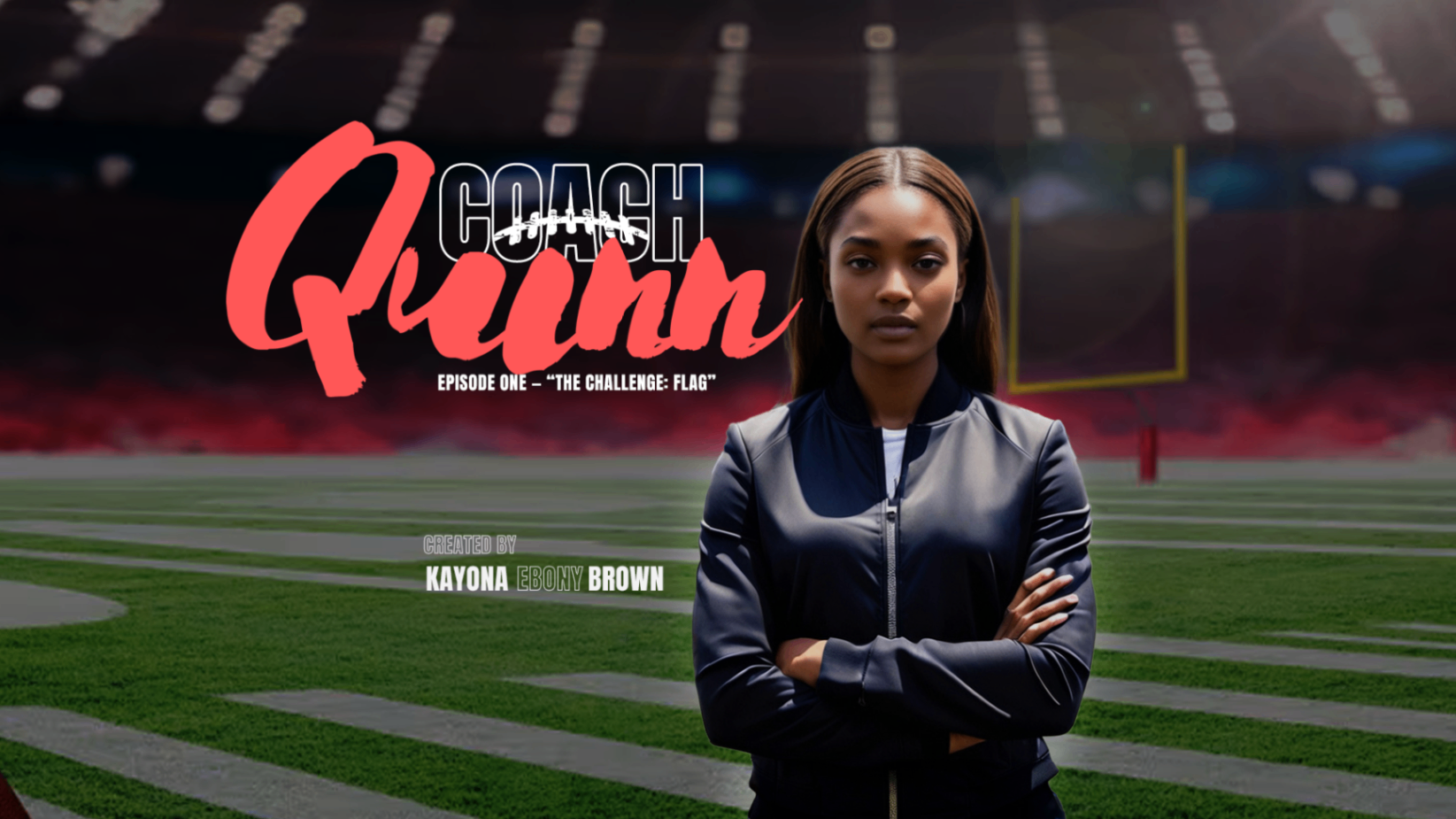
In my story COACH QUINN, the protagonist Quinn Canals embodies this.
She’s building a program in Baltimore from the ground up
Leading a team through impossible odds.
Making tough calls when nobody’s watching.
That’s entrepreneurship in athletic form.
The leadership lessons from women in sports history aren’t just about individual success.
They’re about building systems that develop other leaders.
Your move as a founder: Show investors you’re building a culture that attracts and develops top talent.
Highlight your early team’s retention rates.
Show how people grow inside your company.
Demonstrate that you’re not just hiring employees: you’re developing leaders.
If athletes can become CEOs, what are you doing to create that same development pipeline?
(Want to see how Quinn Canals leads her team through the impossible? Grab the COACH QUINN book and audiobook on Gumroad, or find it on Amazon and Audible.)
Lesson #5: Think Infrastructure, Not Just Capital
Here’s the difference between a funded company and a sustainable one.
Capital gets you started.
Infrastructure keeps you alive.
Title IX didn’t just give women permission to play sports.
It created structural opportunities.
Funding for programs.
Scholarships.
Facilities.
Coaching pipelines.
That’s how you build something that lasts.
Smart investors in women’s sports today don’t just fund teams.
They invest in the ecosystem around them.
Professional services.
Data analytics.
Real estate.
Talent development firms.

Your move as a founder: Show investors you’re thinking beyond your company’s growth.
How does your success contribute to the broader ecosystem?
What infrastructure needs to exist for you to scale: and how are you building it?
Frame your business as part of a larger movement.
That’s how you get investors thinking long-term.
And that’s how you build something that outlasts a single funding round.
The Real Lesson: Build Your Own Stadium
Women’s sports history teaches one thing above all else.
If the infrastructure doesn’t exist, build it yourself.
If the narrative says you can’t succeed, prove them wrong with numbers.
If nobody believes in your market, show them the profit.
As a storyteller and indie film studio founder, I’ve learned this firsthand.
You don’t wait for someone to hand you a platform.
You build your own.
You create the content.
You develop the IP.
You prove the model works: and then you scale it.
Whether you’re pitching investors, building a company, or launching your next project…
The playbook is right there in women’s sports history.
You just have to be bold enough to use it.
Want more strategies for building as an indie founder and storyteller?
Subscribe to my LinkedIn newsletter for weekly insights on entrepreneurship, leadership, and creating your own opportunities.